房屋买卖合同中的法律陷阱
发表时间: 2025-06-29 14:28:08 人气:947 次
在北美买房,不仅仅是挑一栋看起来顺眼、价格顺手、地段顺心的房子,更是一场和法律签下“终身协议”的冒险。多数人一提到“合同”两个字,就开始头疼,脑子里浮现出几十页小字和那个永远戴眼镜的地产经纪在说:“你就放心签,我都看过了。”但现实是,房屋买卖合同里的坑,多到可以挖个后院。
Buying a home in North America isn’t just about picking a house that looks cute, feels affordable, and sits in a good neighborhood. It’s a legal blind date that could turn into a lifelong commitment. Most people hear the word “contract” and instantly get a migraine, imagining dozens of tiny-font pages and their ever-smiling realtor saying, “Don’t worry, I’ve seen this a hundred times.” But truth is, there are enough traps in a home purchase agreement to dig your own backyard.
首先,别被“标准合同”这几个字骗了。在这个世界上,几乎没有什么是“标准”的,除了麦当劳的薯条和机场的安检等待。所谓“标准合同”,不过是某个地产协会制定的模板,给大家一个“基础拼图”,剩下的填空题,全靠买卖双方和经纪的笔墨。你以为你签的是买房协议,其实有时候你签的是一纸不对等的赔偿承诺书。
First off, don’t be fooled by the words “standard contract.” In this world, not much is truly standard — maybe McDonald’s fries and TSA lines. A “standard contract” is just a base puzzle made by a real estate board, and the blanks are filled in by agents and lawyers. You thought you signed a purchase agreement. Sometimes, you actually signed a lopsided penalty letter.
最常见的陷阱之一,就是“买房附加条件”——也叫contingencies。你以为这些只是些流程性备忘录,比如贷款批准、验房通过、估价达标。听起来都很合理,但问题来了:如果你漏写了一条,比如“这笔交易需视家庭成员同意”或“需先卖掉自己现有住房”,那恭喜你,你可能因为没钱交首付、配偶反对、或者自己房子没卖掉而面临违约,还得赔一大笔“真诚金”。
One of the most common traps is the so-called “contingencies.” You assume these are just polite checkboxes: financing approval, inspection, appraisal. All sound fair, until you forget to add something like “subject to spouse’s approval” or “pending sale of current home.” Congrats — if anything goes sideways, from a failed mortgage to your partner screaming “No way!”, you’re in breach and that earnest deposit? Bye-bye.
还有一个常见的“冷笑话”式陷阱,是卖方附上的“as-is”条款。表面看是“卖方不再承担维修责任”,听起来像“大家讲明白、互不拖累”。但问题在于,有些卖家是真的不知道房子的问题,而另一些卖家则是“知道太多”。“as-is”就像一张离婚协议书:你可以签,但你要明白,从此房子的咳嗽和过敏你都得自己处理。
Another classic pitfall with a dark sense of humor is the seller’s “as-is” clause. It sounds like a fair break-up: no strings attached, no obligations. But here’s the twist — some sellers genuinely don’t know what’s wrong with the house, while others know way too much. The “as-is” clause is like a divorce settlement: you can sign it, but you better be ready to deal with all the house’s emotional baggage from now on — including its mold and plumbing issues.
别以为验房(home inspection)能拯救一切。有时候,这更像是让医生在你婚前对未来伴侣做一次体检。报告一大堆术语你看不懂,还夹着一句“建议由专业技师进一步评估”。这翻译成人话就是:“我们不敢说死,你自己掏钱再去问问吧。”更有趣的是,很多买家因为市场竞争激烈,会被“建议放弃验房”——这就像你在 Tinder 上直接同居,连见面都没确认真人头像是不是AI做的。
Don’t assume a home inspection saves the day. Sometimes it’s more like hiring a doctor to examine your future spouse before marriage. The report is full of jargon, ending with “recommend further evaluation by a licensed expert.” Translation: “We’re not committing — you pay someone else to be the bad guy.” Worse yet, in hot markets, buyers are often “advised” to waive inspection altogether. That’s like moving in with someone you met on Tinder without confirming their profile isn’t AI-generated.
在房屋买卖合同中,还有个堪比黑魔法的细节,叫“交房日变更条款”(possession or closing flexibility)。听起来像是为大家着想:万一搬家公司晚了,或者贷款审批晚了,有个缓冲。可你要是没在合同里限定最多延后几天,对方就可以合理合法地让你提着箱子等上几个星期,房子你买了,人却进不去,像极了没领号就被挡在夜店外的那种尴尬。
Then there’s the sneaky “closing date flexibility” clause. It sounds thoughtful: what if the movers are late? What if your lender is slow? But if you don’t set a clear limit, the seller can legally delay handing over the keys for weeks. You bought the house, sure — but you’re locked out with your suitcase on the curb, feeling like that guy who didn’t make the list at the club.
还有一个冷门但危险的“法律陷阱”,是合同中关于纠纷解决方式的选择。有些合同直接写明“仲裁为唯一解决方式”,这意味着:你不能上法庭,只能找个第三方调解,有时还不允许你带律师。而且仲裁通常保密——如果你被坑了,不仅输了房,还不能在朋友圈吐槽。
A lesser-known but deadly trap is the mandatory arbitration clause. Some contracts state that disputes can only be resolved via arbitration — no court, no jury, sometimes no lawyer. Plus, arbitration is private. So if you get screwed, not only do you lose the house, you also lose your right to rant about it on Facebook.
你可能会问,那是不是只要请个律师就万事大吉?理论上是,但现实中,很多人买房时根本没想到请律师——“反正有地产经纪嘛”。可地产经纪是帮你“谈生意”的,不是帮你“打官司”的,他们的职责是成交,不是保你无事。买房不请律师,就像约会不看照片,不是勇敢,是天真。
You might ask, “Can’t I just hire a lawyer?” Theoretically yes — but in reality, most buyers don’t. “That’s what the realtor’s for, right?” No. Realtors close deals; they don’t fight lawsuits. They’re your wingman, not your bodyguard. Buying a house without legal review is like going on a blind date without checking a photo. It’s not brave — it’s naïve.
最终,我们必须承认一个事实:房屋买卖合同,从来都不是“签一下就好”的简单动作。它更像是给未来生活装上了法律的骨架。你可以不懂每一个法律术语,但你必须知道每一处模糊之处,可能藏着“你的钱”和“别人的聪明”。
At the end of the day, let’s admit it: a home purchase agreement is never just “sign here and move in.” It’s the legal skeleton of your future life. You don’t need to understand every clause — but you do need to know that every gray area is where someone else’s smarts might meet your wallet.
所以,当你下一次拿起笔准备签下“梦想之家”的合同时,请问问自己:我知道我买的,不只是砖头和瓦片,还有一张可能改变人生的房屋买卖合同。记住:真正的坑,永远不写在地面上,而是藏在细节里。
So next time you’re ready to sign for your dream home, ask yourself: am I buying just bricks and drywall — or a home purchase agreement that might just rewrite my life? Because the real trap is never on the ground — it’s buried in the fine print.
分享 Facebook | X | Whatsapp | Linkedin
捐助(Paypal): https://www.paypal.me/observeccp 订阅中国观察电报 Telegram : https://t.me/s/ObserveCCP
责任编辑:雨轩 来源:中国观察 转载请注明作者、出处並保持完整。
- • 川普推迟炸伊朗 伊朗扬言开战就扩大战线
- • 章家敦:中共已对美国发动“超限战”
- • 川习会难挽内需疲弱 中国4月经济放缓
- • 半年4度会晤 日韩深化能源战略合作
- • 中国居民疯狂存钱 背后浮现三大危机
- • 中国经济持续衰退 官宣民众借贷30年来首次萎缩
- • 曾志伟现身大孤山祈福 自曝当官期间身体变差
- • 报告:逾六千澳研究项目涉中共军方合作
- • 美驻中大使在场曝:川普当习面提“对台政策不变”
- • 警长:清真寺保安舍身保护民众堪称英雄
- • 【更新】美悬赏1500万征求伊朗革命卫队金融网络线索
- • 欧中论坛爆激烈口角 贸易战风险升高
- • 日韩领袖会谈105分钟 聚焦能源安全合作
- • 世界蜜蜂日将至 三代养蜂世家传甜蜜
- • 5月19日维权动态 高碑店烂尾楼业主市政府维权 特警戒备
- • 陆委会:台湾没有独立问题 只有被统一问题
- • 中共武器专家去世 官方诡异隐瞒2个月
- • 全球长债殖利率狂飙 新兴亚币惊见金融海啸式暴贬
- • 马杜罗亲信萨博涉洗钱等罪 在美国首次出庭
- • 川普要求彻查马里兰州邮寄选票
- • 湖边的移动小屋
- • 研究发现,补充瓜尔胶纤维有助于改善老年人的睡眠、情绪和记忆力
- • 格拉斯利公开文件 指拜登司法部掌握亨特拜登相关短信却未追究人口贩运指控
- • 研究:超加工食品与心脏病风险增加有关
- • 榛子:营养成分、健康益处和道德采购考量
- • 亚利桑那州凤凰城之光空军记录事件
- • 2026 Toyota Camry Hybrid 与 2025 Toyota Camry Hybrid 的区别:为什么越来越多人开始喜欢“没变化”的车
- • 报告:某些食物可能有助于身体的自然排毒过程
- • 美国最高法院批准阿拉巴马重新审议国会选区图 自由派大法官强烈反对
- • 古老的藏红花有望缓解现代人的肠胃和精神疾病
- • 悄然的变革:睡前六分钟的伸展运动如何重塑美国人的睡眠健康
- • 在无限清晰之前:索尼 WX80 与那个仍允许世界模糊的年代
- • 研究表明,睡眠不规律会增加患眼病的风险
- • 人工智能的扩张引发了人们对数据中心和除草剂设施附近 PFAS 污染的担忧
- • 加拿大最值得买的油电混合轿车
- • “药水杨梅”发酵 福建杨梅一夜崩盘 果农损失惨重
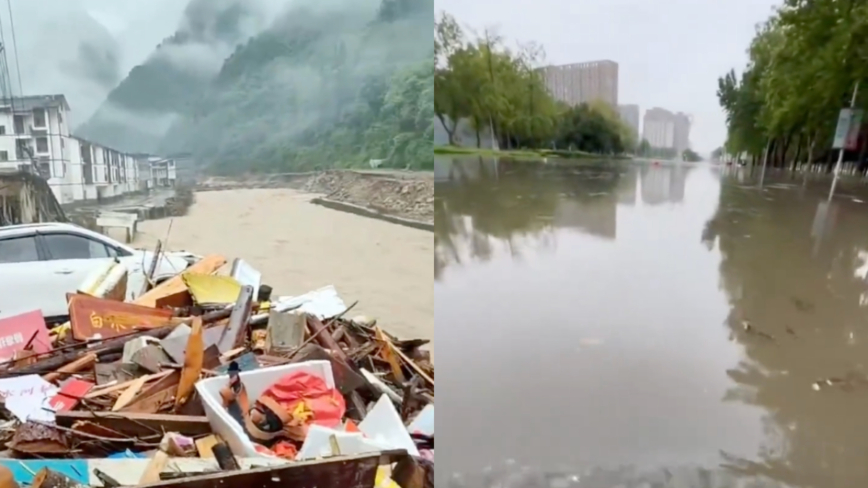
- • 中国多地爆发洪灾 当局无预警泄洪 数万人遭难
- • 德甲收官:拜仁强势夺冠 勒沃库森无缘欧冠
- • 高尔夫球:拉伊PGA锦标赛封王 首夺大满贯
- • 杨幂自曝多次拒绝《浪姐》邀约 理由笑翻众人
- • 山东2千学生抗议 拉五四横幅自称起义
- • 埃博拉疫情再次爆发 美国限制疫区人员入境
- • “老板鱼”半夜扑腾喷水求生影片爆红
- • G7财长会巴黎登场 华府加码施压中共
- • 上海蜘蛛猴与饲养员上演“揪发大战”逗乐众网友
- • 夏季前 家中做这几个动作以避免大账单
- • 比特币跌破7.7万美元 一小时清算6亿美元
- • 万斯谈制造复兴和减税反诈 称共和党为民而战
- • 心脏外科医生提醒:这5类食物最好少吃
- • 川普惊爆周二对伊朗开战 中东三领袖紧急求情
更多新闻
- 川普推迟炸伊朗 伊朗扬言开战就扩大战线 2026-05-19
- 川普要求彻查马里兰州邮寄选票 2026-05-19
- 美驻中大使在场曝:川普当习面提“对台政策不变” 2026-05-19
- 原定519炸伊朗 川普:多国求暂缓 有机会达协议 2026-05-19
- 川普:可能不得不再次重击伊朗 2026-05-19

推荐文章

莱斯大学研究人员开发出一种水基方法,可在室温下快速回收电动汽车电池金属
据发表在《Small》期刊上并由ZeroHedge报道,莱斯大学的研究人员开发了一种水基方法,可在室温下几分钟内从废旧锂离子电池中回收有价金属。 该...
2026年5月6日 9296
最新文件显示拜登时期联邦调查局长期保留川普案件证据 众议院共和党要求终止政治追诉
美国政坛又爆出一份足以震动华盛顿的内部文件。最新公开的联邦调查局备忘录显示,针对川普的“北极霜冻”调查并没有因为川普重返白宫而结束,相反...
2026年5月14日 11741
路易斯安那共和党参议员初选爆冷 卡西迪惨败出局 川普支持候选人进入决选
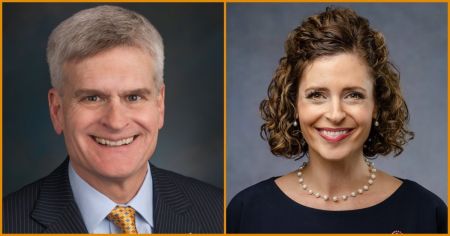
美国路易斯安那州共和党参议员初选,出现了过去十多年极其罕见的一幕。已经连任多届、手握联邦参议院重要委员会权力的现任参议员比尔·卡西迪,不但没能稳住局势,甚至连决选资格都没拿到,直接被选民踢出局。这位曾经在华盛顿被视为“安全席位”的共和党建制派人物,最终只拿到大约四分之一选票,排名第三,彻底结束本轮选举。
进入六月二十七日决选的,是获得川普公开背书的联邦众议员朱莉娅·莱特洛,以及路易斯安那州财政官约翰·弗莱明。整个结果瞬间震动美国政坛,因为卡西迪并不是普通参议员。他不仅是共和党建制派的重要代表,还是联邦参议院卫生、教育、劳工与养老金委员会主席,更关键的是,他曾在二零二一年弹劾案中投票支持给川普定罪。
这一次,选民用选票完成了清算。
在投票结果公布后,大量支持川普的基层共和党选民迅速将这场选举称为“清除沼泽”的重大胜利。因为在许多人眼里,比尔·卡西迪早已不再代表保守派基层,而是逐渐成为华盛顿政治体系的一部分。
卡西迪之所以在共和党内部长期遭到愤怒,核心原因并不复杂。第一,是他在一月六日事件后的弹劾案中,站到了民主党一边,支持给川普定罪。第二,是他近几年不断对川普阵营的重要人事安排表示怀疑,其中包括对小罗伯特·肯尼迪出任卫生与公众服务部长提名的质疑。
在今天的共和党基层眼中,这种做法已经不只是“不同意见”,而是被视为公开背叛。因为很多共和党选民认为,当民主党、联邦机构、主流媒体和华盛顿建制体系持续围攻川普时,共和党内部却有人协助施压,这种行为已经超越了党内分歧,而是在帮助另一边削弱保守派阵营。
就在投票前几天,川普亲自发声,公开号召路易斯安那州共和党选民“投票赶走卡西迪”,并高调支持朱莉娅·莱特洛。川普形容她是“真正的赢家”,是“美国优先”的坚定支持者,能够在经济、边境安全、能源和第二修正案问题上代表保守派利益。
结果显示,基层选民显然听进去了。
更加值得注意的是,美国媒体也不得不承认,这是一场历史级别的失败。有报道指出,卡西迪成为自二零一二年以来,首位在党内初选中直接被淘汰的现任联邦参议员。换句话说,美国现任参议员在本党初选中输到连决选都进不去,这种情况已经十多年没发生过。
而且这次失败并非偶然。
从二零二一年开始,卡西迪在路易斯安那州共和党基层中的支持率就持续恶化。尤其在保守派选民中,他逐渐被贴上“共和党建制派”“华盛顿老政治人物”“名义共和党人”等标签。很多基层支持者认为,这些人嘴上属于共和党,但关键时刻却站在全球化利益集团、联邦官僚体系和媒体精英一边。
因此,这场初选本质上已经不只是一个州的地方选举,而是整个共和党内部路线之争的一次公开决战。
这场选举真正值得注意的地方,不在于谁赢了一个参议员席位,而在于美国右翼内部的权力结构正在发生变化。
过去几十年,美国共和党长期存在两套力量。一套是传统建制派,他们更重视华盛顿政治运作、跨党派妥协、企业资本和传统国际联盟。另一套则是近年迅速壮大的基层民粹保守派,他们更强调边境、制造业回流、反非法移民、反全球化,以及对联邦机构的不信任。
川普出现之后,这两股力量的矛盾彻底爆发。
在很多普通共和党选民看来,过去的建制派共和党虽然嘴上反对民主党,但真正涉及边境开放、产业外流、对外战争、联邦机构膨胀时,却往往选择妥协。结果就是,美国中产阶层衰退,制造业空心化,小城市破败,非法移民问题失控,而华盛顿精英却越来越富有。
因此,川普阵营在共和党内部发动的,其实不是普通意义上的派系斗争,而是一场对旧共和党的改造。
卡西迪的失败,意味着基层选民已经不再满足于“口头保守”。他们现在要求的是绝对忠诚。尤其是在川普经历刑事调查、弹劾、媒体围攻以及长期政治攻击之后,很多支持者已经把政治看成一种阵营战争。在这种环境下,任何共和党人只要曾在关键时刻站到川普对面,就可能被永久记住。
更重要的是,这种变化正在影响整个美国政治生态。
民主党如今越来越依赖城市选票、大学体系、主流媒体、大科技公司和联邦官僚机构。而共和党基层则越来越集中于普通劳动阶层、小企业主、乡村地区、传统宗教群体和反全球化选民。
双方已经不只是政策争论,而是对美国未来方向的争夺。
一边希望维持全球化体系、开放边境、多元文化和联邦权力扩张。另一边则越来越强调国家边界、传统价值、能源独立、制造业回流以及削弱联邦机构影响力。
所以,路易斯安那这场初选真正可怕的地方在于,它再次证明,美国保守派基层正在全面接管共和党。过去那种依靠资历、委员会职位和华盛顿关系网就能稳坐席位的时代,正在结束。
卡西迪的失败,对整个共和党建制派都是一次警告。
如果你在关键时刻没有站队基层选民,那么无论你资历多深,都可能被直接清除。
现在的问题已经不仅是卡西迪出局,而是整个美国共和党未来会不会彻底“川普化”。越来越多的基层选民已经不再接受传统建制派的政治语言,他们要的是更直接、更强硬、更彻底的路线。
而民主党和左派阵营显然也意识到了这一点,所以双方未来的冲突只会更加激烈。从边境到司法系统,从联邦机构到媒体控制,从教育到能源,美国内部的政治撕裂正在进一步扩大。
本文由中国观察編輯部原创。为了促进信息自由传播,本平台原创内容全面开放转载,无须申请授权,只需注明来源、保留原文链接,即可全文转载、引用、翻译。我们不追究版权,只在乎公正的传播。
捐助(Paypal): https://www.paypal.me/observeccp 订阅中国观察电报 Telegram : https://t.me/s/ObserveCCP
- • 欧洲小众奢华度假村推荐:人少景美服务顶级
- • 美国买房首付比例如何影响长期财富自由
- • 加州 vs 德州:州税法律差异
- • 丙二醇单硬脂酸酯(PGMS):一种合法但有毒的食品添加剂
- • 如果存在更高文明,他们会如何看待地球
- • 超越灼伤:辣椒中的火辣化合物如何重新定义自然疼痛管理
- • 桥下的先生
- • 牙龈疾病可能是糖尿病和全身健康问题的预警信号
- • 让内脏年轻的生活艺术:血糖、蛋白与脂肪的智慧管理
- • 澳洲NB.1.8.1变异株引发新一轮疫苗宣传潮,民众冷漠应对凸显信任危机
- • 李嘉诚的财富哲学:退场的智慧
- • 安大略千岛群岛:买不起一座岛也能独享一片湖
- • 美国税务居民不止是绿卡持有者,这条规则让无数人踩雷
- • 男子加油目瞪口呆 拔出加油枪后计价表仍在跳动
- • 为什么现代食品正在重塑你的微生物群以回收雌激素
- • 辣椒的真相:它如何重塑你的肠胃并守护你的心脏
- • 最适合旅游保险覆盖的高端信用卡推荐
- • 非法移民被捕后的法律应对
- • 广告即资产:网站变现与增值的未来
- • 跨境继承中的法律风险与财富传承
- • 流感季生存指南:七种天然对抗感冒和流感的精油
- • 英国气象局因伪造不存在的气象站温度数据而受到批评
- • 孤独并不可怕,怕的是你不懂得陪伴自己
- • 尼安德特人12万年前建脂肪工坊生存
- • 人生没有白走的路,每一步都算数
- • 亟待解决的问题:重新思考慢性胃灼热的根本原因
- • 别再关注BMI了:内脏脂肪和肌肉萎缩是如何提前数十年重塑你的大脑的
- • 洪都拉斯国会议员遭爆炸装置袭击受重伤
- • 新一代SUV在北美市场亮相引发家庭购车新选择
- • 北美股市波动下的财富保卫战 怎样规避隐藏的系统风险
- • 杰克·多尔西推出Bitchat开创互联网之外的点对点通信新纪元
- • 长期高血糖对肝脏结构与功能的病理性影响
- • 年化8%的人生幻想与现实差距,从第一笔投资开始谈起
- • 多重货币环境下的财富保值策略
- • 无人驾驶汽车发展现状与未来展望
- • 椰子水:控制血糖和促进整体健康的天然帮手
- • 发现被低估的高回报资产
- • 左翼舆论堡垒轰然坍塌:媒体事务所濒临破产
- • 为什么买新车一直开到老也是一种哲学
- • 假期短租:如何在爱尔兰乡村租一座城堡
- 2026 Toyota Camry Hybrid 与 2025 Toyota Camry Hybrid 的区别:为什么越来越多人开始喜欢“没变化”的车
- 加拿大最值得买的油电混合轿车
- 曾志伟现身大孤山祈福 自曝当官期间身体变差
- 卫生间最容易忽视的5个细节 但客人会注意到
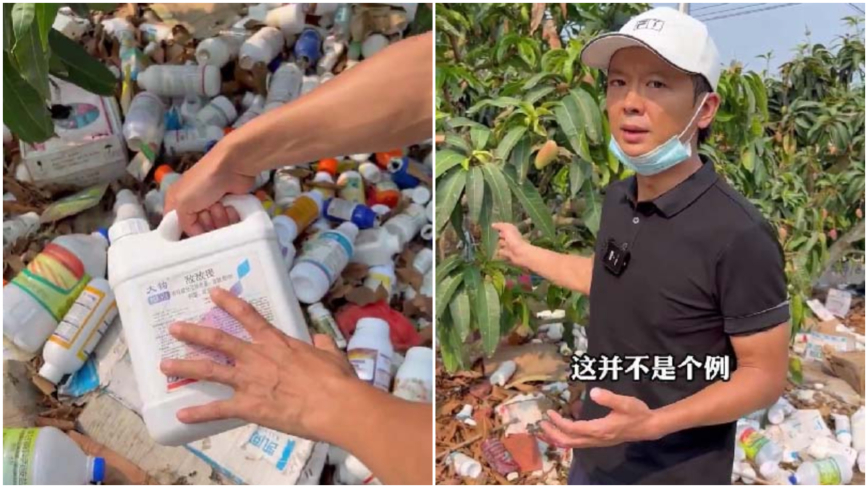
- 不止茶园 大陆芒果园也堆满农药瓶
- 贝森特促G7推动制裁 铲除伊朗资金来源
- 七国集团发布联合声明 稳定能源市场
- 世界蜜蜂日将至 三代养蜂世家传甜蜜
- 报告:逾六千澳研究项目涉中共军方合作
- 新科初段蔡明叡、吴君成 勇闯新人王赛四强
- 防中共低价钢铁冲击 欧盟拍板重税50%
- 中国居民疯狂存钱 背后浮现三大危机
- 川普推迟炸伊朗 伊朗扬言开战就扩大战线
- 加州洛杉矶爆严重山火 数万人紧急撤离
- 中科院前博士爆猛料:中国学术圈早已烂透!
- 中共宣传已进入AI系统 影响全球聊天机器人
- 陆委会:台湾没有独立问题 只有被统一问题
- 日韩领袖会谈105分钟 聚焦能源安全合作
- 马杜罗亲信萨博涉洗钱等罪 在美国首次出庭
- 欧中论坛爆激烈口角 贸易战风险升高
- 中共抵制赴日旅游 日本观光业强劲增长
- 川习会难挽内需疲弱 中国4月经济放缓
- 5月19日维权动态 高碑店烂尾楼业主市政府维权 特警戒备
- 中共武器专家去世 官方诡异隐瞒2个月
- 上海日料店惊传持刀捅人案 三伤两人为日本人
- 台湾谴责中共 连续十年阻饶参与世卫大会
- 川普要求彻查马里兰州邮寄选票
- 警长:清真寺保安舍身保护民众堪称英雄
- 美日首在台湾周边设联合指挥所 部署飞弹、无人机
- 美驻中大使在场曝:川普当习面提“对台政策不变”
- 原定519炸伊朗 川普:多国求暂缓 有机会达协议
- 沈阳工大传命案 网爆毕业8年学生回校刀杀院长
- 川普:可能不得不再次重击伊朗
- 对古巴出手了!卢比奥制裁古巴11政权菁英、3组织
- 章家敦:中共已对美国发动“超限战”
- 女孩遗体放18年无人处理 上海殡仪馆公告寻家属
- 【更新】美悬赏1500万征求伊朗革命卫队金融网络线索
- 快棋争霸战:16强出炉 女将无人晋级
- 半年4度会晤 日韩深化能源战略合作
- 中国经济持续衰退 官宣民众借贷30年来首次萎缩
- 全球长债殖利率狂飙 新兴亚币惊见金融海啸式暴贬
- 韩热播剧《21世纪大君夫人》 引发中韩历史争议
- 中国黄金进入“猴市” 一克下跌逾300元
- 中国茶还敢喝吗?茶园堆满农药瓶影片曝光
- 白发变黑 或许只要一次休假
- 武汉公职人员隐婚骗女主播170万 买假金条兑付
- 中共武器专家方岱宁病亡 官方诡异隐瞒2个月宣布
- 广西地震惊魂一幕 三兄弟斧劈铁门 救出全家11口
- 湖南网红蕾蕾突然去世 年仅32岁
- 习近平多次欺骗美国总统 蓬佩奥揭内情
-
 美国高校设立非法移民学生“私人毕业典礼”引爆争议
 -
 美国政客公开解释蓝州人口外流加速 佛州成为财富与居民集中迁入地
 -
 大饥荒:为什么全球饥荒并非偶然
 -
 泽连斯基的前新闻秘书声称他是个瘾君子,并延长战争是为了“获取更多资金”
 -
 美国在2026年10月投票前加大了对联合国航运排放框架的反对力度
 -
路易斯安那共和党参议员初选爆冷 卡西迪惨败出局 川普支持候选人进入决选
-
 泽连斯基的前新闻秘书在一次爆炸性采访中揭露战争牟利行为,并称他为“独裁者”
 -
 新的树木年轮研究表明,人类活动对全球降水模式没有影响
 -
 宗教豁免:最高法院、学校疫苗强制接种的终结以及自由未来的斗争
 -
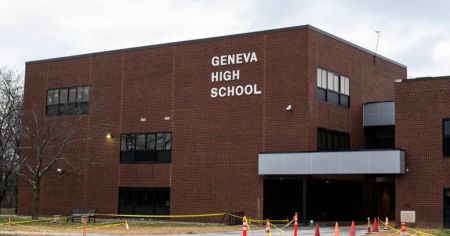 纽约州日内瓦高中出现疑似汉坦病毒病例 卫生部门称与南美邮轮致命疫情无关联
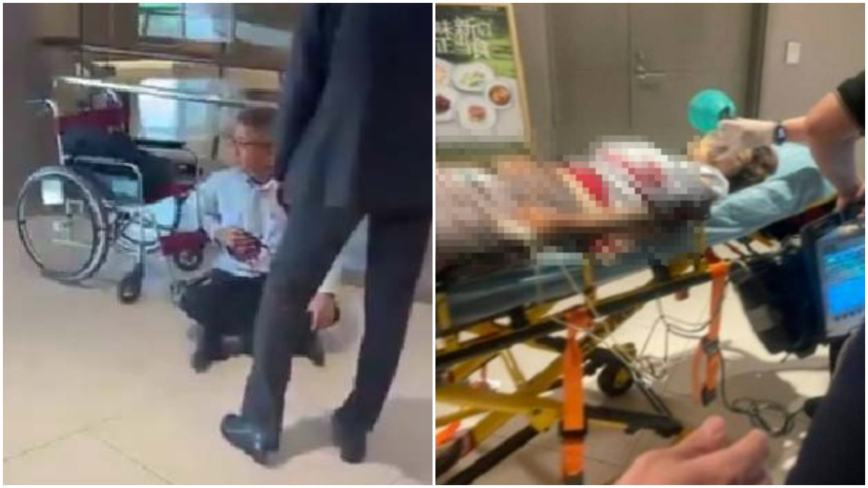
- 沈阳工大传命案 网爆毕业8年学生回校刀杀院长
- 上海日料店惊传持刀捅人案 三伤两人为日本人
- 全球长债殖利率狂飙 新兴亚币惊见金融海啸式暴贬
- 中共武器专家方岱宁病亡 官方诡异隐瞒2个月宣布
- 中国黄金进入“猴市” 一克下跌逾300元
- 中国茶还敢喝吗?茶园堆满农药瓶影片曝光
- 习近平多次欺骗美国总统 蓬佩奥揭内情
- 中国经济持续衰退 官宣民众借贷30年来首次萎缩
- 韩热播剧《21世纪大君夫人》 引发中韩历史争议
- 防中共低价钢铁冲击 欧盟拍板重税50%
- 广西接连强震 多处惊现天坑 民众恐慌连夜逃出城
- 广西地震惊魂一幕 三兄弟斧劈铁门 救出全家11口
- 章家敦:中共已对美国发动“超限战”
- 贝森特促G7推动制裁 铲除伊朗资金来源
- 中科院前博士爆猛料:中国学术圈早已烂透!
- 54岁中国大学教授骤死 传生前曾去放血治疗
- 【更新】美悬赏1500万征求伊朗革命卫队金融网络线索
- 5月19日维权动态 高碑店烂尾楼业主市政府维权 特警戒备
- 湖南网红蕾蕾突然去世 年仅32岁
- 马杜罗亲信萨博涉洗钱等罪 在美国首次出庭
- 湖北多地暴雨洪灾 已致3死4失联
- 警长:清真寺保安舍身保护民众堪称英雄
- 美日首在台湾周边设联合指挥所 部署飞弹、无人机
- 中共抵制赴日旅游 日本观光业强劲增长
- 台湾谴责中共 连续十年阻饶参与世卫大会
- 广西地震前异象 大量鱼群上岸 排队上山
- 中共派系权斗升级 多名中国移动高管落马
- “药水杨梅”发酵 福建杨梅一夜崩盘 果农损失惨重
- 中国多地爆发洪灾 当局无预警泄洪 数万人遭难
- 德甲收官:拜仁强势夺冠 勒沃库森无缘欧冠
- 高尔夫球:拉伊PGA锦标赛封王 首夺大满贯
- 山东2千学生抗议 拉五四横幅自称起义
- 杨幂自曝多次拒绝《浪姐》邀约 理由笑翻众人
- 北京国宴招待川普 红衣女服务员身份惹议
- 马斯克:美国今年将迎无人驾驶时代
- 埃博拉疫情再次爆发 美国限制疫区人员入境
- “老板鱼”半夜扑腾喷水求生影片爆红
- G7财长会巴黎登场 华府加码施压中共
- 武汉村庄585人至少62人患癌亡 大多为青壮年
- 上海蜘蛛猴与饲养员上演“揪发大战”逗乐众网友
- 夏季前 家中做这几个动作以避免大账单
- 比特币跌破7.7万美元 一小时清算6亿美元
- 降低对中依赖!欧盟拟强制企业采购非红供应链零件
- 万斯谈制造复兴和减税反诈 称共和党为民而战
- 心脏外科医生提醒:这5类食物最好少吃
- 川普惊爆周二对伊朗开战 中东三领袖紧急求情
- 稀土角力升温 澳洲再堵中资染指关键矿产
- G7财长巴黎召开会议 讨论全球经济失衡问题
- 沈阳工大传命案 网爆毕业8年学生回校刀杀院长
- 婚宴遇暴雨变“水上流水席” 宾客坐水里用餐
- 广西地震前异象 大量鱼群上岸 排队上山
- 湖北正部级“老虎” 原省长王晓东被查
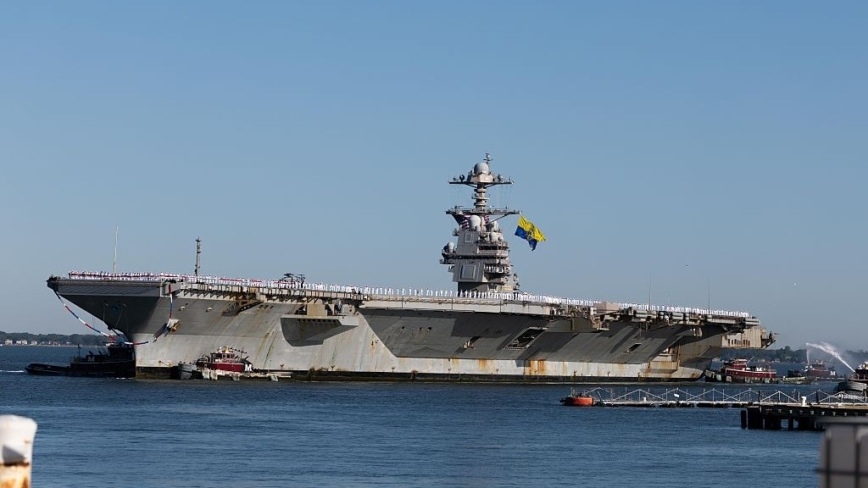
- 福特号返抵美国 创326天全球最长任务
- 通膨高企 Costco续约率高达9成 销售额飙升
- 中共派系权斗升级 多名中国移动高管落马
- 【更新】伊朗袭击阿联酋核电厂
- 三星停工一天恐损失6亿美元 韩试图阻罢工
- 防堵车走水路 浙江爸爸开船送女儿上学
- “药水杨梅”发酵 福建杨梅一夜崩盘 果农损失惨重
- 当口袋相机还能“吊打手机”:2015年长焦卡片机黄金时代
- 赖清德:捍卫中华民国 没有“台独”问题
- 中国多地爆发洪灾 当局无预警泄洪 数万人遭难
- 美国发现4种外星人?专家惊揭“坠毁UFO”回收内幕
- 德甲收官:拜仁强势夺冠 勒沃库森无缘欧冠
- 高尔夫球:拉伊PGA锦标赛封王 首夺大满贯
- 违规炒股 侄子作白手套 河南证监局女官被双开
- 美军海豹六队有多强?前成员揭密作战标准
- 山东2千学生抗议 拉五四横幅自称起义
- 杨幂自曝多次拒绝《浪姐》邀约 理由笑翻众人
- 川习会后 赖清德列5点回应台湾问题
- 马尔地夫潜水惊传1死4失踪 军方参与搜救也酿1死
- 郭富城陪妻子回老家奔丧 戴红孝帽跪拜
- 京东上海总部大楼“歪”了 紧急停工引关注
- 北京国宴招待川普 红衣女服务员身份惹议
- 创越战后最长纪录 全球最大航母福特号返抵维州
- 报告:某些食物可能有助于身体的自然排毒过程
- 珠海前市长何宁卡落马 与前高层李源潮曾是室友
- 川习会未见“中美双赢” 中国股市一路下跌
- 川普访华 知情者爆北京接待一团乱 行程多次变更
- “川习会”前的多个异常现象 引发猜测
- 川普抵北京 高规格中美会谈展开
- 川普访华安保升级 评论员:涉多重安全考量
- 为保数据安全 美国访中官员全部更换通讯设备
- 川普飞抵北京 中方接机规格升高 梅拉尼娅未随行
- 卢比奥随川普访华 中共为其改名引热议
- 《无声的活摘》揭中共罪恶 5月16日全球公映
- 生物恐怖主义:全球精英计划如何将真菌孢子注入大气层造成持续不断的呼吸道感染
- 河北火锅店命案 知情人:老板杀人分尸 顾客洗胃
- 川习会前 上将凯恩:美正打造让习陷巨大困境军力
- 16名美企业CEO随行川普 英伟达缺席引关注
- 广西地震前异象 大量鱼群上岸 排队上山
- 川习会插曲 习与卢比奥尴尬握手 场外突发混乱
- 香港沦中共白手套 成伊朗规避制裁枢纽
- 美前宗教自由大使:川普应强硬对抗中共迫害信仰
- 川普访华 中共外交部发“和平共处”短片 引嘲讽
- 反诈还是诈骗?江西多名公安倒卖反诈平台个资
- 川普访华 美随行官员全换“干净设备”
- 川普访华 北京严禁晚上加班 网友喊话:多待几天吧!
- 讽刺中共?卢比奥访华穿马杜罗同款服装 白宫补刀
- 京沪中小学休学率暴涨 传部分班过半不正常上学
- 霍峡危机引粮荒?前世银总裁喊中共别做这事
- 气候异常! 广州也传“四月飞雪”
- 报告:某些食物可能有助于身体的自然排毒过程
- 珠海前市长何宁卡落马 与前高层李源潮曾是室友
- “移动的白宫”送进中共心脏 分析:川普向习示威
- 川习会未见“中美双赢” 中国股市一路下跌
- 东航坠机真相 美方揭人为因素 中方隐瞒报告四年
- 中共重手封杀“翻墙” 业内人士:烂尾政策
- 川普访华 盘点即将随行的科企大佬及商界高管
- 辽宁高官接连缺席活动 刚露面“辟谣”又传坠楼亡
- 重庆公安局长张安疆传坠亡 书记袁家军命运引揣测
- 川普最新发文 痛批伊朗不懂怎么签“非核协议”
- 中共前后两任国防部长双双判死缓 罪名引质疑
- 地方大员转农业部长又被免职 刘鹤旧部韩俊传出事
- 罕见! 基层官员怒怼人民日报: 收回刀子
- 中共重庆公安局长张安疆死亡 网传坠楼丧命
- 无声的大脑杀手:一种常见食物如何悄无声息地摧毁你的记忆力,以及专家们为何感到恐惧
- 川普访华CEO随行团大幅缩水 传从29人减至12人
- 日本强化国安防间谍 众院通过“国家情报局法案”
- 快连VPN宣布停止在中国的营运
- 中共隐瞒近4年 美国公布东航MU5735坠机主因
- 中共重手封堵“翻墙” 业内人士:很快烂尾
- 中共称“躺平”背后有境外势力 引发群嘲:真急了
- 美菲军演规模史上最大 强化台海南海双线防卫
- 【更新】美制裁35家“伊朗影子银行”实体和个人
- 曾志伟现身大孤山祈福 自曝当官期间身体变差
- 加拿大最值得买的油电混合轿车
- 卫生间最容易忽视的5个细节 但客人会注意到
- 陆委会:台湾没有独立问题 只有被统一问题
- 对古巴出手了!卢比奥制裁古巴11政权菁英、3组织
- 女孩遗体放18年无人处理 上海殡仪馆公告寻家属
- 七国集团发布联合声明 稳定能源市场
- 日韩领袖会谈105分钟 聚焦能源安全合作
- 2026 Toyota Camry Hybrid 与 2025 Toyota Camry Hybrid 的区别:为什么越来越多人开始喜欢“没变化”的车
- 川普要求彻查马里兰州邮寄选票
- 原定519炸伊朗 川普:多国求暂缓 有机会达协议
- 世界蜜蜂日将至 三代养蜂世家传甜蜜
- 白发变黑 或许只要一次休假
- 武汉公职人员隐婚骗女主播170万 买假金条兑付
- 欧中论坛爆激烈口角 贸易战风险升高
- 赖清德总统弹劾案 56赞成50反对不通过
- 快棋争霸战:16强出炉 女将无人晋级
- 美驻中大使在场曝:川普当习面提“对台政策不变”
- 新科初段蔡明叡、吴君成 勇闯新人王赛四强
- 川普推迟炸伊朗 伊朗扬言开战就扩大战线
- 埃博拉疫情 美惊现汉坦病毒本土死亡案例
- 埃博拉疫情再次爆发 美国限制疫区人员入境
- 世卫大会开幕 汉坦、伊波拉疫情成焦点
- 民主刚果爆发伊波拉疫情 传致死率可达50%
- 民主刚果再爆发伊波拉疫情至少80死 蔓延乌干达
- 中国疫情升温 重症患者丧失劳动力
- 邮轮“汉坦病毒”疫情 全球已11人确诊3死
- 汉坦疫情 邮轮18名乘客返美 疾控中心紧急行动
- 邮轮汉坦病毒实验室合成?中共提前研发出疫苗惹疑
- 汉坦病毒染疫游轮靠岸 乘客检疫隔离返国
- 四川网红曾登汉坦疫情邮轮 传主动通报吓坏官方
- 世卫:邮轮汉坦疫情非新冠 阿根廷或为源头
- 中国疫情升温 五一刚过 医院人满为患
- 汉他病毒邮轮3死8染疫 全球急追下船乘客
- 离谱!河南7个月大的婴儿被重复接种两针疫苗
- 西班牙官员:爆疫情邮轮3天内停靠加那利群岛
- 世卫组织:邮轮疫情汉坦病毒疑似人传人
- 大西洋一艘游轮疑爆发病毒疫情 已有3人死亡
- 在疫情期间隐瞒联邦记录 医学专家前顾问被诉
- 涉嫌黑客与盗窃疫苗 中共间谍被引渡美国受审
- 美战争部长:军中不再强制接种流感疫苗
- 北美车险公司最喜欢哪几款车型
- 从V6时代到混动时代:2015 Highlander老车主眼中的2025与2026换代
- 加拿大最值得买的油电混合轿车
- 2026 Toyota Camry Hybrid 与 2025 Toyota Camry Hybrid 的区别:为什么越来越多人开始喜欢“没变化”的车
- 买丰田混动真的是最稳的选择吗?
- 为什么北美老司机都信赖Subaru
- 电动汽车产业链投资潜力
- 汽车租赁合同中最容易被忽视的隐性费用
- 北美二手车市场价格在疫情后的波动趋势
- 年轻消费者最关注的新车配置在今年有何变化
- 全球芯片短缺背景下的新车交付等待时间解析
- 汽车租赁与贷款的长期支出差异需要如何计算
- 电动车保养成本是否真的比燃油车更低
- 二手车贷款与新车贷款在审批流程上的差别
- 汽车保险保费上涨的主要原因分析
留言区